
Until 2018, Jason Reid believed that he could handle whatever challenges life tossed his way. After all, he was a CEO who coached other CEOs, ran another lucrative business, had a black belt in karate, and participated in Iron Man competitions.
For years, he’d seen himself as a “fixer,” the guy people came to with their problems, knowing that they’d find a receptive ear and a solution to their troubles.
Then Reid’s son, Ryan, died by suicide in March 2018—and his world shattered.
“When adults tell teens that their lives are great, that they have nothing to be depressed about, and that their concerns are irrational, most kids shut down and stop confiding. I’d always presented myself as put together with my kids, but when they’re depressed this might not be the best approach.”
“I didn’t realize what was going on with Ryan,” Reid tells The Progressive. “He’d become grumpy and was spending more time alone in his room, but he had Crohn’s Disease and I assumed he was in some physical pain. I didn’t ask the right questions. He’d previously told me about being bullied but I never asked him how he felt about being a target. I asked him how he would push back. We figured out a plan to deal with the issue, and that was that.”
Since Ryan’s death, Reid has made reducing teen suicide by 2030 his life mission and has created an organization, Choose Life. He’s also participated in a full-length documentary film called Tell My Story and is doing as much as he can to destigmatize suicide and provoke conversations about depression, anxiety, and stress among teenagers and young adults.
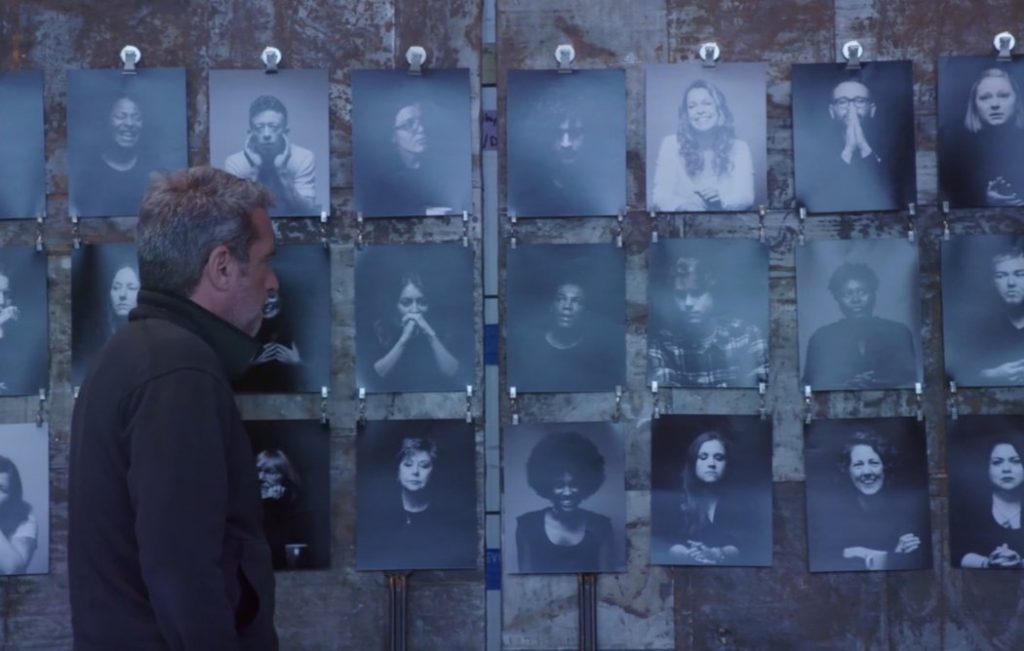
It’s a deeply personal effort.
“The world most parents grew up in no longer exists. Kids today are dealing with COVID-19, climate change, economic instability, police violence, racism, and sexual assault,” Reid says. “When I was fourteen, I didn’t pay attention to the news. Today, kids at ten, eleven, twelve, see a world that sucks, and it can begin to feel that there is nothing to live for.”
“Then they go on Instagram, Twitter, and Facebook and it looks like everyone else’s life is better than theirs,” he adds. “They see hundreds of pictures of beautiful people and start to build up ideas of what their life should be like. When they don’t get as many ‘likes’ on a post as they expect, they can start to feel alone and wonder why they’re on the earth.”
As disturbing as this is, Reid is not trying to change the mindset of, or even influence, these young people. Instead, he is directing his efforts toward parents and caregivers.
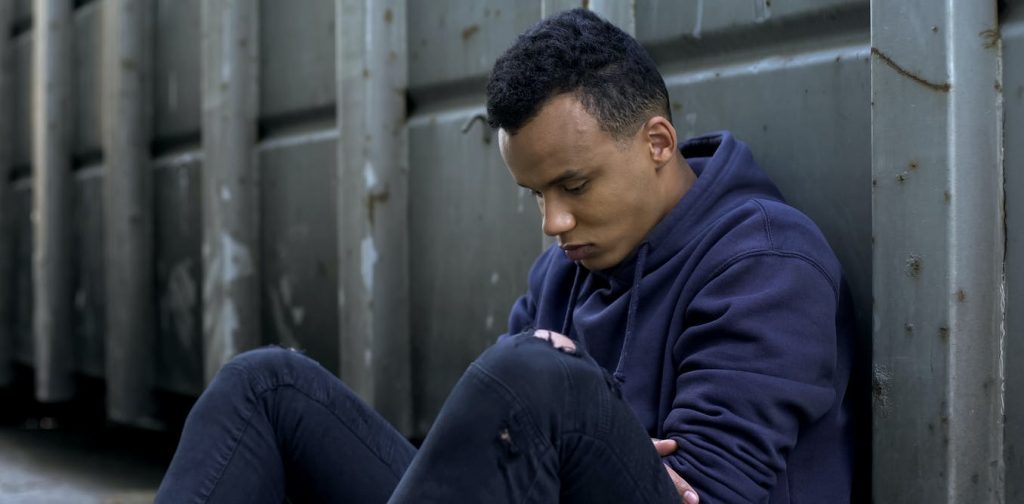
“Kids need to be loved,” he says, noting that every teenager needs gender-affirming health care, respect, and acceptance from their families, friends, and communities, he says.
“Across the board, mental health problems such as depression, anxiety, and Post Traumatic Stress Disorder put youth at risk for suicidal thoughts or attempts,” according to a report by the American Psychological Association (APA). “But many African (American) children and adolescents face additional challenges, including exposure to violence and racial discrimination that may further increase the risk.”
Worse, the APA found that many Black teens do not have access to mental health services unless they become involved in the juvenile justice system. The group’s recommendations include increasing the availability of affordable, community-based, mental health resources as an essential element of suicide prevention efforts.
For his part, Reid wants his approach to be largely apolitical, with the onus of responsibility on caregivers. “We have to own our teens’ mental health in the same way as we own their physical health,” he says. “Denial, or calling depression a ‘phase’ or ‘natural teenage moodiness,’ underestimates its seriousness.”
He then lists several more recommendations: “You can give your teen a phone, but you should make sure to restrict the browser. Unfettered access to the entire world at 1 a.m. is too much. Ryan used Google to research how to kill himself, and my wife, his three older siblings, and I were oblivious.”
Equally important, he continues, is that adults need to be more open about their own experiences and vulnerabilities.
“You’re not your teen’s friend, but it is important for them to know that most of us were bullied at some point; even the bullies were bullied,” Reid says. “Ryan saw me as the guy who owned companies, who was successful. I never shared that my life wasn’t always so great.
I never told him that I’ve almost been bankrupt three times, or that thirteen of my businesses have failed. I thought I needed to be a pillar of strength at all times and never told him that things in my life were not always on an upward trajectory of wonderfulness.”
That said, Reid admits that he’s struggled to abandon his role as a “fixer.”
Since Ryan’s death, he says he’s learned that many people don’t want someone to swoop in and solve their problems.
“We often just need to listen,” he explains.
As Reid speaks, his deeply felt regret is palpable. Nonetheless, he has not allowed his grief to immobilize him.
“On the night Ryan was taken off of life support, I asked myself what I would have liked Ryan to do and the answer was ‘choose life over death,’ ” he says. “So, I paid $10,000 for the Choose Life domain name and only later realized that it sounded like I’d created an anti-abortion organization. Still, I felt that it was the right message to put out, so I kept the name.”
In the thirty-nine months since Ryan’s death, Reid has given countless talks and spoken to hundreds of parents, educators, medical workers, and caregivers. He believes that he has made some headway in increasing public awareness about the mental health concerns of youth.
“Suicide is not the second leading cause of death among ten- to-twenty-four-year-olds because we’re doing something right,” he says in the film, Tell My Story. “Maybe if I’d taken the time to have real conversations with Ryan about how we were really feeling, he would be with us today.”
Article Written by Eleanor J. Bader for The Progressive Magazine
