Blog post

#ChooseToChallenge: Fighting Period Poverty for Girls in Africa

Schools need to start addressing the topic of menstrual periods in all their aspects for both girls and boys and encourage open discussion and a safe environment for students.

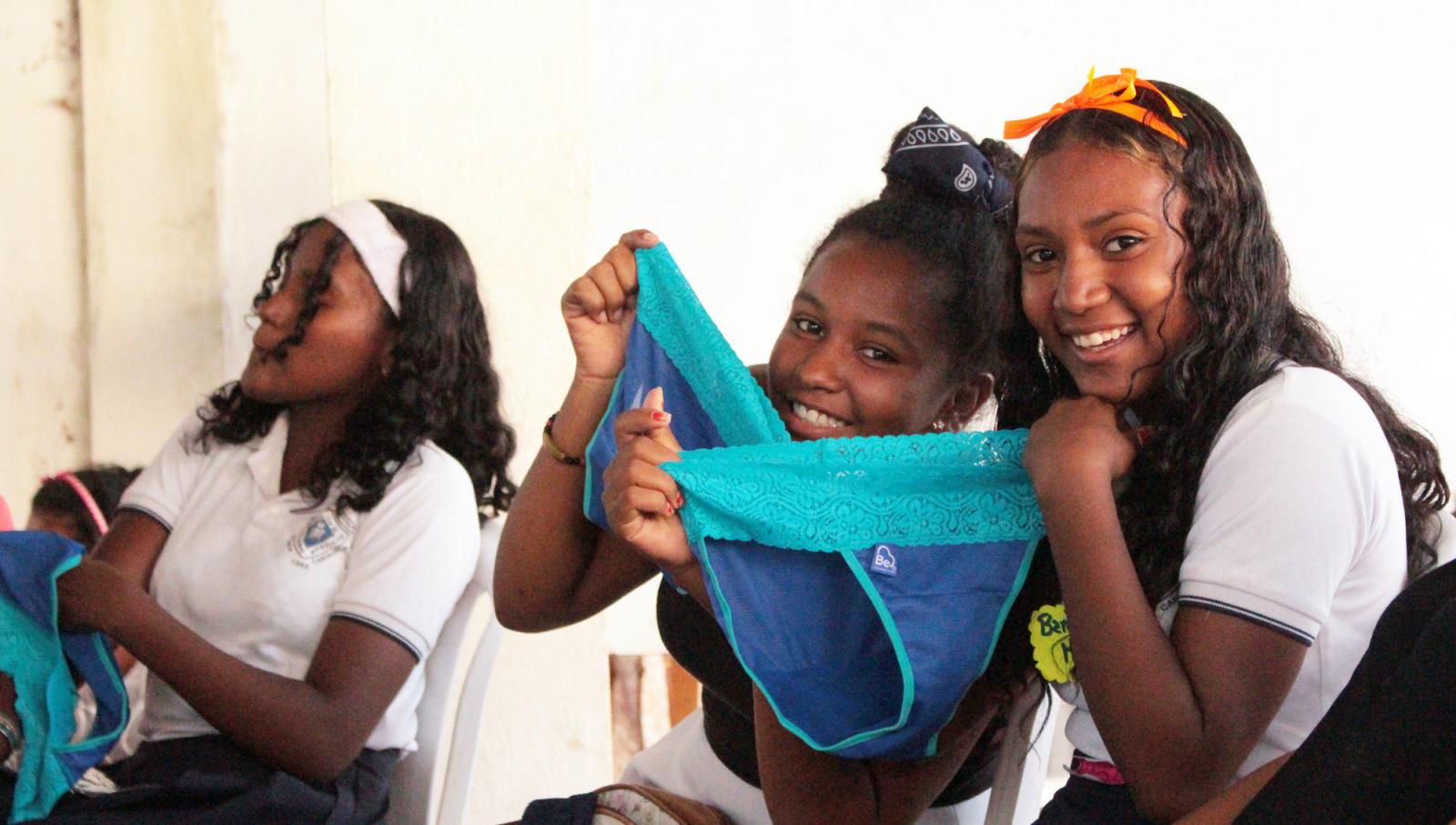
Research finds that up to 30% of girls in South Africa miss school because of Period Poverty and their inability to afford menstrual products. Such loss of schooling days could lead to girls falling behind their male counterparts as well as missing out on the opportunities that come with completing school.

Sadly, the South African case is typical of most African countries. And that further impresses the need to tackle period poverty and ensure that menstruators can access a full education and career opportunities as financially empowered woman lift up their families and communities too. 

South Africa-based menstruation activist, speaker, and academic who works towards the destigmatization of menstruation and seeks an end to period poverty, Candice Chirwa, sharing her personal experience, said:

The first time seeing period blood stained on my underwear made me think that I was going to die.

When I had to announce this event to my mother, the conversation I had was filled with fear. I had experienced blood from injury while playing with friends, but I had never encountered seeing blood coming from my vagina.

Being told that I needed to hide my period from everyone caused me great worry. I thought that I was the only person who experienced this, and not telling anyone made me feel ashamed. I couldn’t have envisioned when I was 10 years old and scared about my first period, that 15 years later, I would be advocating for period education in South Africa.

I remember having learned about periods in school only from a biological perspective. The lessons left out important information about our bodies, the use of sanitary products, and dismantling the period taboos.

I realised the need for this when having a conversation with one of the students I mentor in 2018. She had mentioned how there is little to no discussion about periods.
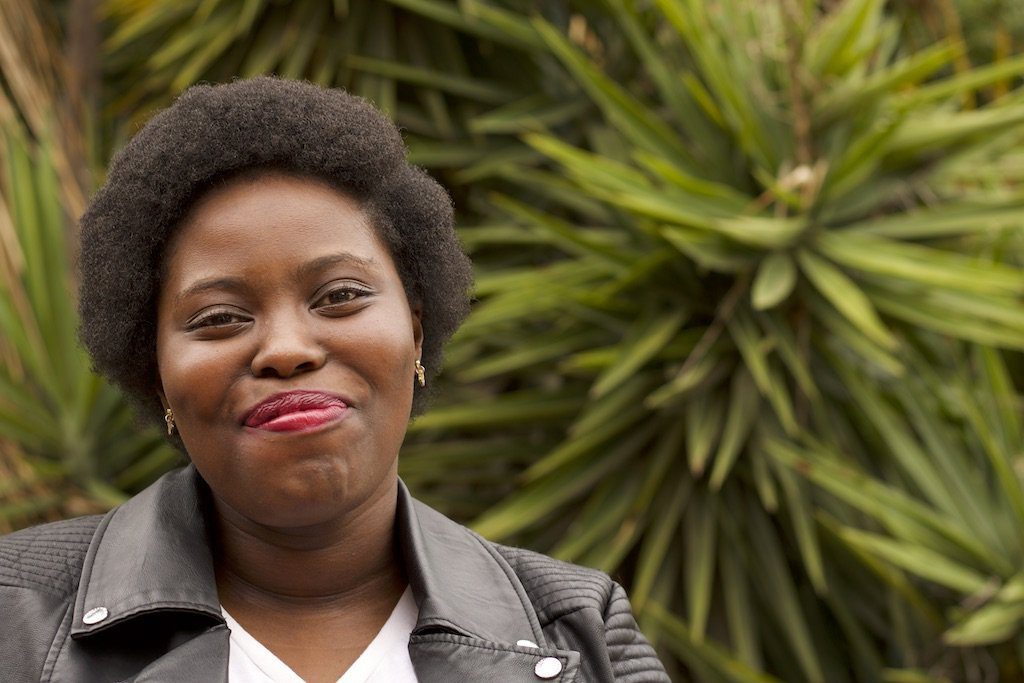
Candice Chirwa, South-African Menstruation Activist. Image Source: Global Citizen

Seeing participants leave our menstrual and sex education workshops openly saying the word “vagina” or “menstruation” without flinching, always leaves a smile on mine my team members’ faces at Qrate. I acknowledge that menstrual education alone won’t address issues such as lack of access to sanitary products due to financial difficulties, but it is a good place to begin to eradicate the fear a young person might feel when they have their first period.

Although I am grateful for having a conversation with my mother about the basics of menstrual health, I wish and hope that in the future, the first time a menstruator encounters their period, it is met with celebration and not with fear. That the words, “you’ve transitioned into adulthood” aren’t met with subjective and restrictive myths but rather met with objective and helpful period advice and tips.

Menstruation matters to me because it is still unacceptable to talk openly about menstruation, to make it visible. When we think about how in particular society portrays menstruation, it is usually in the format of horrific PMS jokes or first menstruation horror stories, and this results in socialising young menstruators to expect to hate their periods, even before they have them. It fascinates me how a natural and biological event carries a lot of taboos and myths restricting social behaviours.

Furthering this discussion, with Candice having made such salient points, the way (teenage) girls and young women view their periods is also important in the discussion of dignity. And menstruators are also entitled to have menstrual health factored into the human rights agenda, especially in Africa.

When it comes to access to products, sanitation, and information needed for managing their period, the African society needs to ask itself whether menstruators would be able to manage it without the basic necessities, which are too often lacking in many African societies. Africa needs to think about the menstruators who don’t have access to sanitary products, clean water, safe facilities, and sexual education.
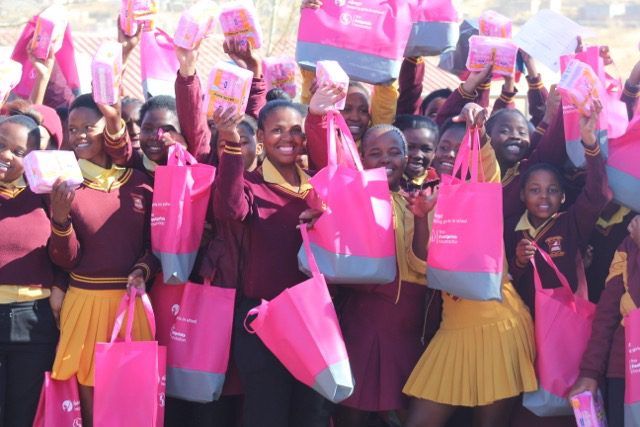
Gender inequality, extreme poverty, and harmful cultural traditions all also contributing to making menstruation a difficult time. In South Africa, a study found that adolescent girls can miss up to five days of school per month due to menstruation. This is a clear indication of period poverty. When that time of the month arrives, there is a range of economic and social burdens on young girls during this time of their transition into adulthood.

Many view menstruation as unworthy of public debate because of the societal perceptions that associate menstruation with “privacy” and “shame”. However, by menstruators not having the room to talk openly about their periods, those of them who go to school and work are placed at a disadvantage at those times, compared to their male counterparts, as they would lack the moral support of their colleagues to navigate those periods gracefully and with their deserved dignity.

While we must note that attitudes to menstruation are slowly changing across Africa, thanks in large parts to the work of activists and international organisations, ending period poverty requires increased collaborative efforts from everyone.

South Africa has removed the Value Added Tax (VAT) on sanitary products to make them more accessible across more income segments. And we advocate for more African countries to follow suit. However, more work still needs to be done in ensuring menstruators don’t have to face monthly obstacles just for being female. And a good place to start would be to assess the needs within the menstrual health space.

African governments need to prioritise comprehensive sexual education, ensuring adequate sanitation, and creating a period leave policy within workspaces. It will also be crucial to challenge the schooling system and evaluate the content children are learning with regards to puberty, sex, and menstrual education.

Schools need to start addressing the topic of menstrual periods in all their aspects for both girls and boys and encourage open discussion and a safe environment for students. Talking openly about periods and ending the taboos that surround them will help equip menstruators with the products and information they need to navigate periods effectively without shame or embarrassment.

Of course, these conversations might be tricky at first, but the degree of the scare, worry and embarrassment that early period positive education would save young girls about to start or starting to experience their periods is both immense and worthy of the required effort.

Share:

LinkedIn
Facebook
X
WhatsApp

Board of Trustees

Dr. Waheed Awonuga

Member, Board of Trustees

Waheed Oyetola Awonuga is a trained Medical Doctor with five years of ongoing practice experience, specialising in Family Medicine. He is also an entrepreneur with a knack for developing ideas that are not only bankable but profitable.

Waheed attended Santa Maria Private School in Mushin and Government College Ikorodu. He holds a Diploma in Data Processing from Olabisi Onabanjo University and completed his medical education at the University of Sierra Leone, graduating with MBChB (Medicine and Surgery). He passed the West African College of Physicians Primaries Examination at UCH, Ibadan.

Waheed is an alumnus of the Young Africa Leadership Initiative (YALI), Africa Cohort 2. He owns Infinity Creative Media, a media consultancy firm in Freetown, Sierra Leone, and Infinity Print House, a general print firm also based in Sierra Leone.

Waheed is an avid reader and writer who enjoys travelling and spending time with his family.

Management Team​

Hon. Tobi Olatunji

Executive Director

Hon. Tobi Olatunji serves as Executive Director of Teens Going for Gold Network, providing strategic leadership across TGFGN’s programmes and institutional partnerships.

He oversees programme delivery across all five active states and drives the organisation’s evolution into an institutional peace education body, ensuring that TGFGN’s work remains responsive to the complex social realities facing Nigerian youth today.

Management Team​

Ola Olaoluwa

Co-Founder

Olawumi Olaoluwa is a graduate from the Economics department of the University of Benin, Nigeria. He is also the Creative Director of JOSEL kolektionz, a clothing line.

Vocationally, he is a writer, content developer, actor, and leadership enthusiast. One of the pioneer volunteers of Teens Going for Gold Network, Olawumi has over five years of experience in teen mentoring and coaching. He currently serves as Director of Human Resources.

In his own words: “The opportunity Teens Going for Gold Network presents me with to impact teenagers with qualitative and sustainable education is the main attraction the organisation holds for me.”

Board of Trustees

Dr. Mala Mustapha

Member, Board of Trustees

Dr. Mala Mustapha is an academic and development professional with deep expertise in conflict resolution, peacebuilding, and institutional governance.

His scholarly and practitioner experience spans multiple Nigerian states and regional contexts, providing TGFGN with critical insight into the structural dimensions of peace and security in Northern Nigeria and the Lake Chad Basin region.

Board of Trustees

Idayat Hassan

Chair, Board of Trustees

Idayat Hassan is a leading expert in security, governance, and democracy in West Africa. She serves as the Director of the Centre for Democracy and Development (CDD), one of the region’s foremost policy research and advocacy organisations.

Her work spans election monitoring, conflict prevention, and democratic institution building across Nigeria and the broader West African sub-region. She brings decades of governance expertise to TGFGN’s Board of Trustees.

Management Team​

Godsgift Chayil Obi

DEPUTY DIRECTOR

Godsgift Chayil Obi serves as Deputy Director of Teens Going for Gold Network, supporting organisational management, programme coordination, and operational delivery.

In this role, she works closely with the Executive Director and management team to ensure that TGFGN’s programmes achieve their intended impact across all active states, maintaining the quality and consistency of delivery that has defined the organisation’s 12-year track record.

Board of Trustees

Dele Olomide​

Member, Board of Trustees

‘Dele Olomide currently leads the Human Resources and Admin function of Clarke Energy Nigeria, the largest authorised distributor and service partner for Jenbacher gas engines and a leading brand in the power and utility sector in Nigeria. His interests are Leadership Development, People Development (Coaching and Mentoring), Organisational Development and Change, Strategy and Growth.

‘Dele is an HR professional with approximately 10 years of generalist experience spanning Manufacturing, IT, Gaming and Energy. He is also an Associate Pastor with El-Shaddai Covenant Church, Lagos. Before now, he has worked with two multinationals, three start-ups, and a Secondary School.

He graduated from the University of Ilorin where he studied Mathematics/Statistics and holds an MBA in Marketing Management. He is an Associate Member of the Nigerian Institute of Training and Development and an Associate Member of the Chartered Institute of Personnel Management.

Board of Trustees

Adedolapo Osuntuyi

Member, Board of Trustees

Adedolapo Osuntuyi is a children and education advocate. She is the founder of Dolly Children Foundation, a nonprofit organisation that equips the African Child to adopt twenty-first-century skills through education, capacity building and advocacy programmes.

Inspired by her upbringing, she has a passion for empowering and creating equal opportunities for children from low-income backgrounds. Dolapo has developed organisational strategy and management processes in the Foundation that have impacted over 22,000 children in 25 communities in four states.

Dolapo has over a decade of experience in child protection, early childhood and community development programmes. A graduate of Botany from Lagos State University, she also holds a master’s degree in Child Health and Social Care from the University of Central Lancashire, Preston, United Kingdom.

In 2015, she received an Africa-America Institute Scholarship to study Social Sector Management at the Enterprise Development Centre, Pan-Atlantic University, Nigeria.

Board of Trustees

Adebanke Ilori Oyeniyi

Secretary, Board of Trustees

Adebanke Ilori Oyeniyi is a lawyer and development professional. Her professional experience spans across politics, inclusive governance, and legislative reforms. She serves as the Executive Director of Raising New Voices Initiative and as the Managing Editor of Lawyard, a platform for interactions around the practice of law in Nigeria.

In 2019, Adebanke led New Voices to conduct the national #BreakTheHold campaign providing resources to competent young people under 35 contesting to be members of the Federal House of Representatives. As a woman in politics, she was appointed as the National Publicity Secretary of Kowa Party — making her the youngest female to occupy the position in Nigeria.

As an advocate for social equality, she has championed the right of prison inmates to education in line with the UN Minimum Standard Rules for the Treatment of Prisoners, and has worked for the implementation of laws to promote the rights of children and prevention of violence against persons.

As a Pan African, she has facilitated extensive deliberations at the African Union on the importance of youth integration in the actualisation of Agenda 2063.

Adebanke holds a bachelor’s degree in law from Obafemi Awolowo University, Ile-Ife, a Certificate in Public Management from Bridgewater State University, Massachusetts, and is pursuing her Master’s in International Development and Policy at the University of Chicago. She is a 2019 Mandela Washington Fellow.